

Selçuk University (SU), Türkiye
Selçuk University coordinates Green-Mem and leads its scientific, administrative and financial management. It contributes expertise in green chemistry, membrane fabrication, material and process selection, biodegradability, recyclability and pilot-scale applications 🔗
Universitat Autònoma de Barcelona (UAB), Spain
UAB leads the development of Green-Mem's bio-based membranes, drawing on its expertise in analytical chemistry, chemical engineering and environmental technologies. It supports renewable material selection, green synthesis, biopolymer reuse and recycling, membrane characterisation and separation processes. 🔗
Fondazione Bruno Kessler (FBK), Italy
FBK leads the project’s networking and knowledge-exchange activities, helping to build lasting collaboration between academic and industrial partners. It also contributes expertise in thin films, surface treatment, membrane characterisation, durability and open knowledge sharing. 🔗
Latvian State Institute of Wood Chemistry (LSIWC), Latvia
LSIWC brings specialist expertise in wood, cellulose and other lignocellulosic materials. It leads work on natural-fibre treatment, surface modification and the incorporation of nanoparticles and enzymes into functional membrane materials. 🔗
UCLouvain, Belgium
UCLouvain contributes advanced expertise in computational materials science, modelling and machine learning. It helps develop data-driven tools for material selection, membrane optimisation, performance prediction and competitive benchmarking. 🔗

Glantreo Limited (GLA), Ireland
Glantreo provides industrial expertise in materials synthesis, scale-up, microscopy and particle characterisation. It supports membrane characterisation, prototype development and the transfer of Green-Mem results towards practical and commercially relevant applications. 🔗
Uludağ Environmental Technologies R&D Center (UCEV), Türkiye
UCEV contributes expertise in water and wastewater treatment, membrane systems, pilot plants and process engineering. It leads Green-Mem's workshop activities and the pilot demonstration and upscaling of the project’s most promising membranes. 🔗
Matgenix, Belgium
Matgenix specialises in materials simulation, data-driven research and machine learning. It supports the screening and optimisation of membrane materials, performance and sustainability benchmarking, scale-up risk assessment and the identification of commercial opportunities. 🔗

Indivenire, Italy
Indivenire brings expertise in surface modification, sample preparation, microanalysis and microprocessing, including technologies for biological interactions, biosensors and lab-on-a-chip applications. It supports membrane characterisation, functionalisation and the translation of research into innovative applications. 🔗

Sustainable Innovation Technology Services (SITES), Ireland
SITES leads Green-Mem's communication, dissemination and exploitation activities. It also leads life cycle, cost and circularity assessments, ensuring that sustainability evidence, stakeholder input and market considerations inform membrane development and future uptake. 🔗
Universiti Teknologi Malaysia (UTM), Malaysia
UTM is Green-Mem’s associated partner and leads membrane optimisation studies. It contributes internationally recognised expertise in membrane technology, performance testing, prototype design, pilot-scale development, benchmarking, biodegradability and recyclability. 🔗
Selçuk University (SU), Türkiye
Selçuk University coordinates Green-Mem and leads its scientific, administrative and financial management. It contributes expertise in green chemistry, membrane fabrication, material and process selection, biodegradability, recyclability and pilot-scale applications 🔗
Universitat Autònoma de Barcelona (UAB), Spain
UAB leads the development of Green-Mem's bio-based membranes, drawing on its expertise in analytical chemistry, chemical engineering and environmental technologies. It supports renewable material selection, green synthesis, biopolymer reuse and recycling, membrane characterisation and separation processes. 🔗
Fondazione Bruno Kessler (FBK), Italy
FBK leads the project’s networking and knowledge-exchange activities, helping to build lasting collaboration between academic and industrial partners. It also contributes expertise in thin films, surface treatment, membrane characterisation, durability and open knowledge sharing. 🔗
Latvian State Institute of Wood Chemistry (LSIWC), Latvia
LSIWC brings specialist expertise in wood, cellulose and other lignocellulosic materials. It leads work on natural-fibre treatment, surface modification and the incorporation of nanoparticles and enzymes into functional membrane materials. 🔗
UCLouvain, Belgium
UCLouvain contributes advanced expertise in computational materials science, modelling and machine learning. It helps develop data-driven tools for material selection, membrane optimisation, performance prediction and competitive benchmarking. 🔗
Glantreo Limited (GLA), Ireland
Glantreo provides industrial expertise in materials synthesis, scale-up, microscopy and particle characterisation. It supports membrane characterisation, prototype development and the transfer of Green-Mem results towards practical and commercially relevant applications. 🔗
Uludağ Environmental Technologies R&D Center (UCEV), Türkiye
UCEV contributes expertise in water and wastewater treatment, membrane systems, pilot plants and process engineering. It leads Green-Mem's workshop activities and the pilot demonstration and upscaling of the project’s most promising membranes. 🔗
Matgenix, Belgium
Matgenix specialises in materials simulation, data-driven research and machine learning. It supports the screening and optimisation of membrane materials, performance and sustainability benchmarking, scale-up risk assessment and the identification of commercial opportunities. 🔗
Indivenire, Italy
Indivenire brings expertise in surface modification, sample preparation, microanalysis and microprocessing, including technologies for biological interactions, biosensors and lab-on-a-chip applications. It supports membrane characterisation, functionalisation and the translation of research into innovative applications. 🔗
Sustainable Innovation Technology Services (SITES), Ireland
SITES leads Green-Mem's communication, dissemination and exploitation activities. It also leads life cycle, cost and circularity assessments, ensuring that sustainability evidence, stakeholder input and market considerations inform membrane development and future uptake. 🔗
Universiti Teknologi Malaysia (UTM), Malaysia
UTM is Green-Mem’s associated partner and leads membrane optimisation studies. It contributes internationally recognised expertise in membrane technology, performance testing, prototype design, pilot-scale development, benchmarking, biodegradability and recyclability. 🔗

Green-Mem is built around a simple idea: developing genuinely sustainable membrane technologies requires expertise from across the entire innovation chain. The consortium brings together six academic and research organisations and five industrial partners with complementary expertise in materials science, membrane engineering, green chemistry, environmental assessment, machine learning, circularity, scale-up and commercialisation.
Coordinated by Selçuk University in Türkiye, Green-Mem connects academic research with practical industrial experience across Europe and beyond. Through staff exchanges, joint research and stakeholder engagement, the partners will share knowledge, strengthen skills and develop new bio-based materials, greener fabrication processes and practical pathways towards sustainable, circular and high-performance membrane solutions.
An International Collaboration
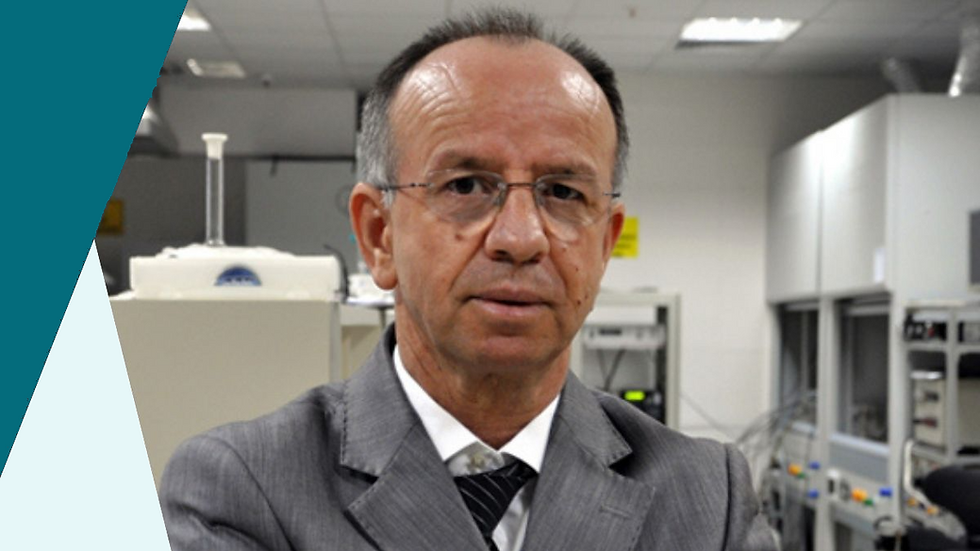
Project Coordinator
Prof. Mustafa Ersöz
Selçuk University,
Türkiye
Project Coordinator
Prof. Mustafa Ersöz
Selçuk University, Türkiye
.png)